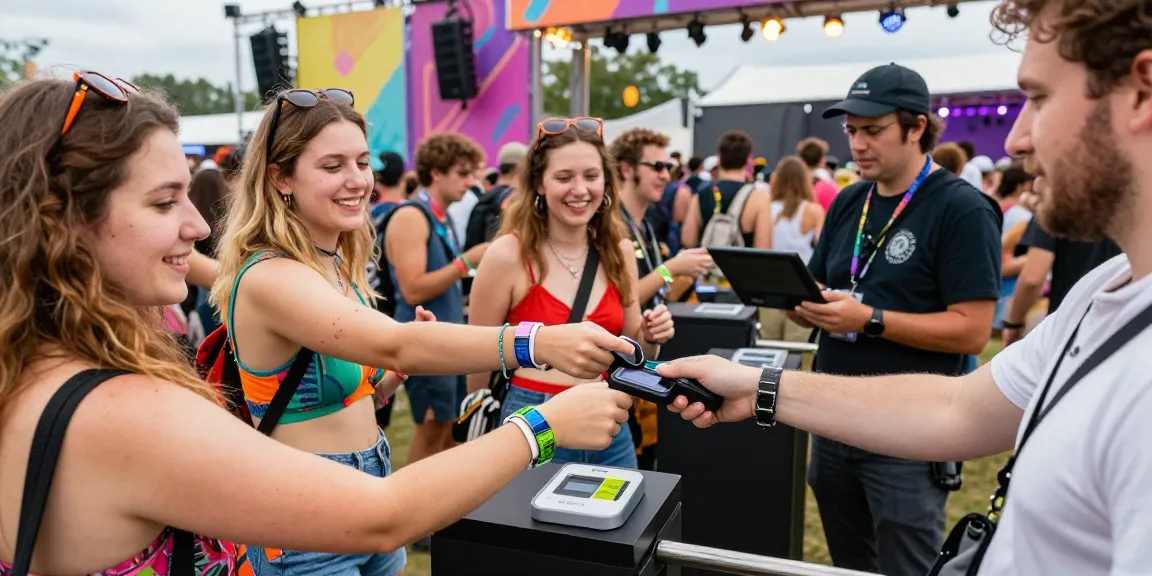
Understanding Electronic Wristbands for Access Control
In an increasingly digital age, events require refined solutions to manage attendance and streamline operations. This is where control de acceso con pulsera electrónica comes into play, offering organizers the ability to enhance guest experiences while improving operational efficiency. Electronic wristbands utilize Near Field Communication (NFC) technology, allowing quick and easy access control, cashless transactions, and real-time data management. This comprehensive guide explores the intricacies of electronic wristbands, their benefits, and best practices for implementation.
What is Control de Acceso con Pulsera Electrónica?
Control de acceso con pulsera electrónica refers to the use of RFID or NFC-enabled wristbands to manage entry and attendance at events. These wristbands are embedded with microchips that store data unique to each user, such as entry permissions, payment information, and event schedules. They function much like contactless credit cards, enabling quick access while also facilitating cashless transactions, making them ideal for both large festivals and corporate events.
Key Features and Benefits of NFC Technology
- Speed and Efficiency: NFC technology allows for rapid access control, processing thousands of entries per hour without delays.
- Cashless Payments: Attendees can load funds onto their wristbands, streamlining purchases and minimizing the need for cash transactions.
- Real-Time Data Tracking: Organizers can monitor attendee movements and density in various zones, optimizing logistics and enhancing security.
- Customizable Solutions: Wristbands can be tailored to fit specific event needs, from color-coded access levels to unique branding opportunities.
How it Enhances Event Management
Utilizing electronic wristbands allows event managers to gain unprecedented control over logistics and attendee engagement. Real-time insights into crowd flow can inform security measures, while cashless systems can increase revenue at food and beverage stands by up to 30%. The integration of digital platforms helps to enhance guest experiences and streamline operations efficiently.
Common Errors in Implementing Electronic Access Control
Insufficient Pre-Event Testing Procedures
One of the most critical phases of implementing a control de acceso con pulsera electrónica system is thorough pre-event testing. Insufficient testing can lead to system failures when the event goes live, resulting in long queues and frustrated attendees. Organizers should conduct comprehensive trials to ensure that the technology functions as intended under real-world conditions.
Neglecting User Experience and Accessibility
When designing electronic wristband systems, user experience should be a top priority. If the process feels cumbersome or confusing, it can deter attendees from utilizing the technology effectively. Additionally, accessibility features must be implemented to accommodate all guests, including those with disabilities.
Overlooking Data Security Measures
As with any technology involving personal information, data security must be a top concern. Organizers should ensure that robust security measures are in place to protect user data from breaches. This includes implementing encryption protocols and training staff on data handling best practices.
Best Practices for Effective Access Management
Designing User-Friendly Wristband Solutions
Creating an intuitive design for wristbands is essential. They should be comfortable to wear and easy to scan, with clear instructions for attendees on how to use them. Consider using colors or symbols to quickly communicate access levels or special features.
Real-Time Monitoring and Adjustments
Event organizers should leverage technology to monitor attendance and crowd density in real-time. This data can help in making immediate adjustments to improve attendee experiences, such as reallocating staff to busier areas or opening additional entry points.
Integrating Payment Systems Seamlessly
For cashless systems to be successful, the payment process must be seamless. Attendees should be able to easily load funds onto their wristbands and use them for various transactions throughout the event without encountering issues or delays.
Case Studies: Successful Implementation Stories
Large-Scale Events: Lessons from Major Festivals
Many major festivals have successfully implemented electronic wristband systems to manage entry and enhance guest experiences. For example, SoundWave Festival utilized a comprehensive wristband system to handle over 40,000 attendees without significant wait times at entry points. Their logistical improvements ensured a much smoother operation compared to previous years.
Corporate Events and Their Unique Needs
Corporate events have unique needs that can also benefit from electronic wristband technology. For instance, TechCon Global reported significant improvements in their operations since switching to cashless wristbands. The real-time data reporting feature allowed for immediate analytics, enhancing planning for future events.
Feedback from Event Organizers and Attendees
Feedback from both organizers and attendees often highlights the efficiency and convenience of electronic wristband systems. Attendees appreciate the ease of cashless transactions, while organizers benefit from increased sales and better crowd management capabilities. Such testimonials underscore the value of adopting this innovative technology in event planning.
Future Trends in Electronic Access Control for Events
Innovations in NFC Technology and Wearables
The future of access control technology looks promising with ongoing innovations. NFC technology is evolving to provide even more capabilities, such as personalized attendee experiences based on data collected from interactions. Additionally, advancements in wearables, such as smartwatches, may integrate seamlessly with existing wristband systems.
Predictions for 2026: What’s Next?
As we look towards 2026, we expect to see a rise in the adoption of biometric technologies alongside electronic wristbands. These could include fingerprint or facial recognition for even faster access control. This integration may revolutionize how we think about event security and attendee tracking.
Potential Challenges and How to Overcome Them
With advances in technology come challenges, particularly regarding data privacy and user acceptance. Event organizers must ensure that they are transparent about how attendee data is used and stored, as well as providing robust support systems for users who may be unfamiliar with the technology.
What are the costs associated with electronic wristbands?
The costs can vary widely depending on the complexity of the system, including the number of wristbands needed, the technology used, and any additional features such as real-time analytics. Overall, investing in electronic wristbands can lead to greater efficiency and revenue generation.
How do I ensure security in cashless payment systems?
Implementing encryption technologies and secure payment gateways is essential for safeguarding cashless transactions. Regular audits and compliance checks should also be part of a comprehensive security plan.
What features should I look for in an access control solution?
Key features include real-time monitoring capabilities, customizable wristbands for different access levels, robust security measures, and a user-friendly interface for both organizers and attendees.
Can electronic wristbands integrate with my existing system?
Most modern electronic wristband solutions are designed to integrate with various event management software, allowing for a seamless transition. Always verify compatibility before making a decision.
How to choose the right provider for wristband solutions?
Look for a provider with a proven track record in the industry, positive testimonials from previous clients, and a range of customizable features to meet your event’s specific needs. It’s also beneficial to consider their customer support services for troubleshooting during events.